Metal carpentry
Fixed-price carpentry, with the margin in view
Metal carpentry often has no formal progress report: just an agreed price and a crew. CantiVera works that way too, with a plan of phases and hours, and tells you how the job is paying off while it is open.
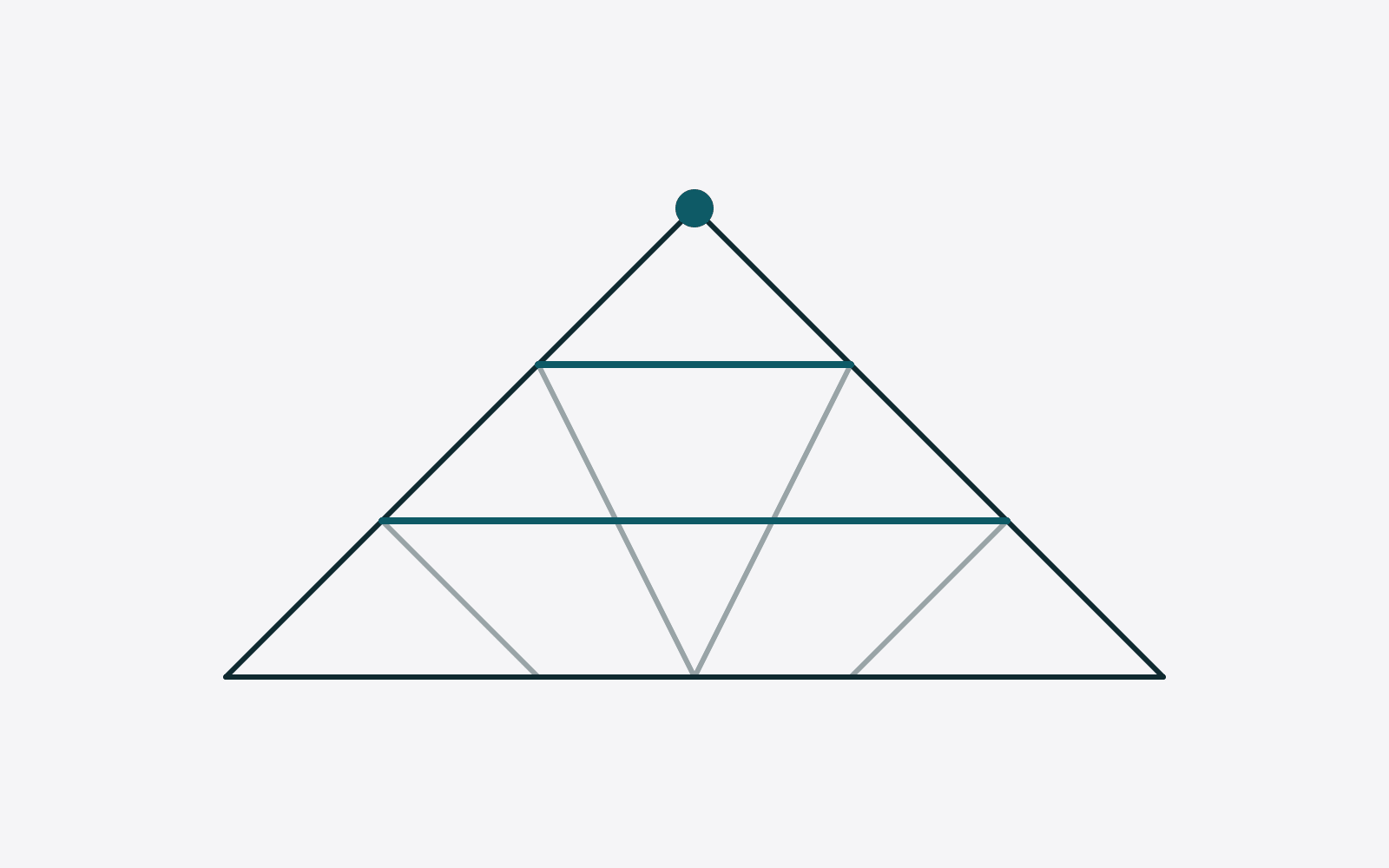
Where the margin leaks
Fixed price, variable hours
Every extra day of assembly comes out of your margin, not the client’s.
Shop and site kept apart
Preparation hours in the shop are never charged to the job.
Invisible overtime
Saturday costs more, yet in the final count it weighs like a Tuesday.
How CantiVera helps
- 1
Phase-based work plan
Cutting, welding, painting, assembly: hours and budget per phase, no report needed.
- 2
Hours dictated by voice
At the end of the shift the crew lead describes the day: hours land on the right phase, shop or site.
- 3
Overtime at its price
Surcharges per hour type, frozen on the rate of the period.
- 4
A warning before the overrun
The phase using more hours than planned surfaces by itself.
Most used features in metal carpentry
Work plan without a progress report
No formal progress report? The job runs on phases and tasks with hours and budget.
Voice agent for activities
Describe the day out loud; the agent fills in job, item, people and hours. You confirm.
Activities and hours
Every hour belongs to a job and an item: it is the data everything else starts from.
Revenue and margin while the job is open
Earned revenue minus full cost while the work is still running, not at year end.
Deviations and risks
One screen that tells you which jobs are slipping, and why.
Progress photos
The crew’s photos land on the right item, with date, time and author. See the site without going there.
The data chain
Enter it once. It flows all the way to the margin.
Each link feeds the next without retyping anything: from the quote to the analysis, the same data runs through the whole job.
- 1
Quote
The estimate with hours and costs.
- 2
Job
The quote becomes work, with client and crew.
- 3
Report or plan
Items from the PDF, or phases and tasks.
- 4
Hours
From the app, a clock-in or a paper sheet.
- 5
Costs
Hours at full cost, plus subcontracts and rentals.
- 6
Analysis
Deviations, risks, revenue and margin.
Data is entered once and flows all the way to the margin. No spreadsheet in between.
Without changing the job site
Everyone logs hours the way they prefer.
By voice, in the app, with one tap or by pen on a sheet. The hours all land in the same place, on the right item.
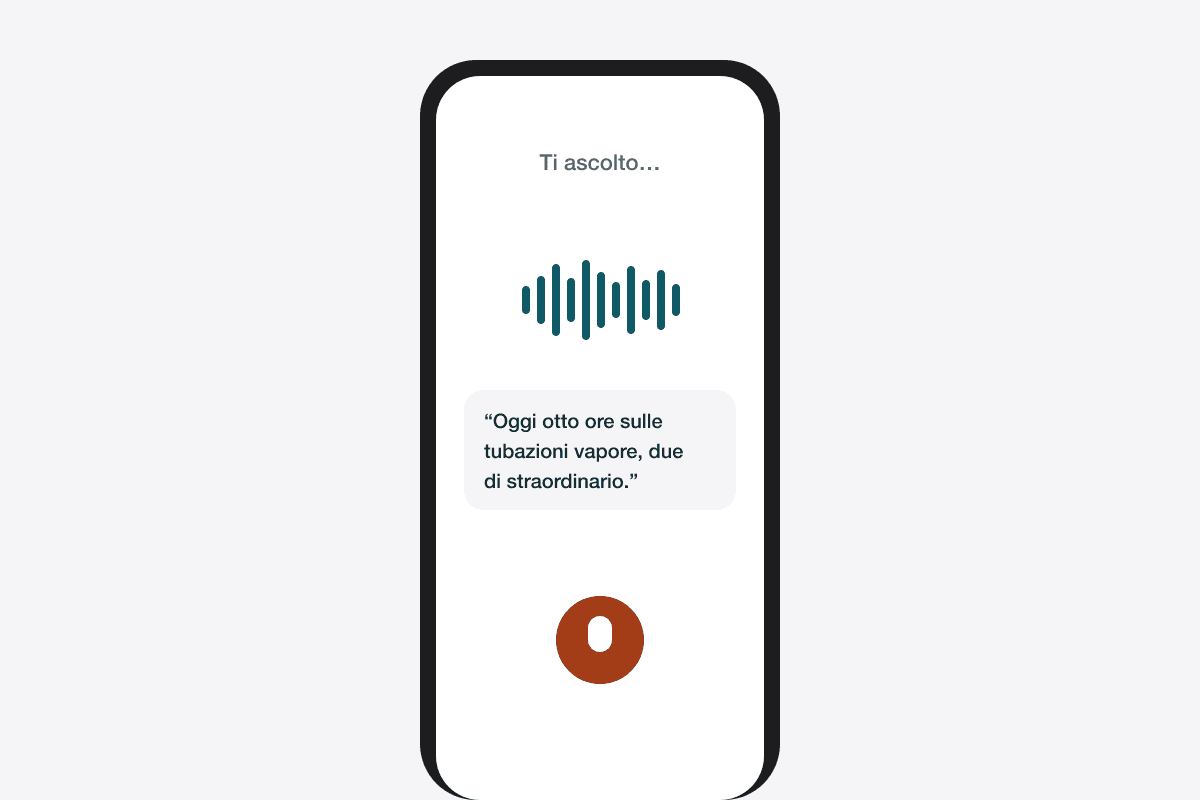
By voice
Say what you did and the voice agent fills in the activity. You confirm.
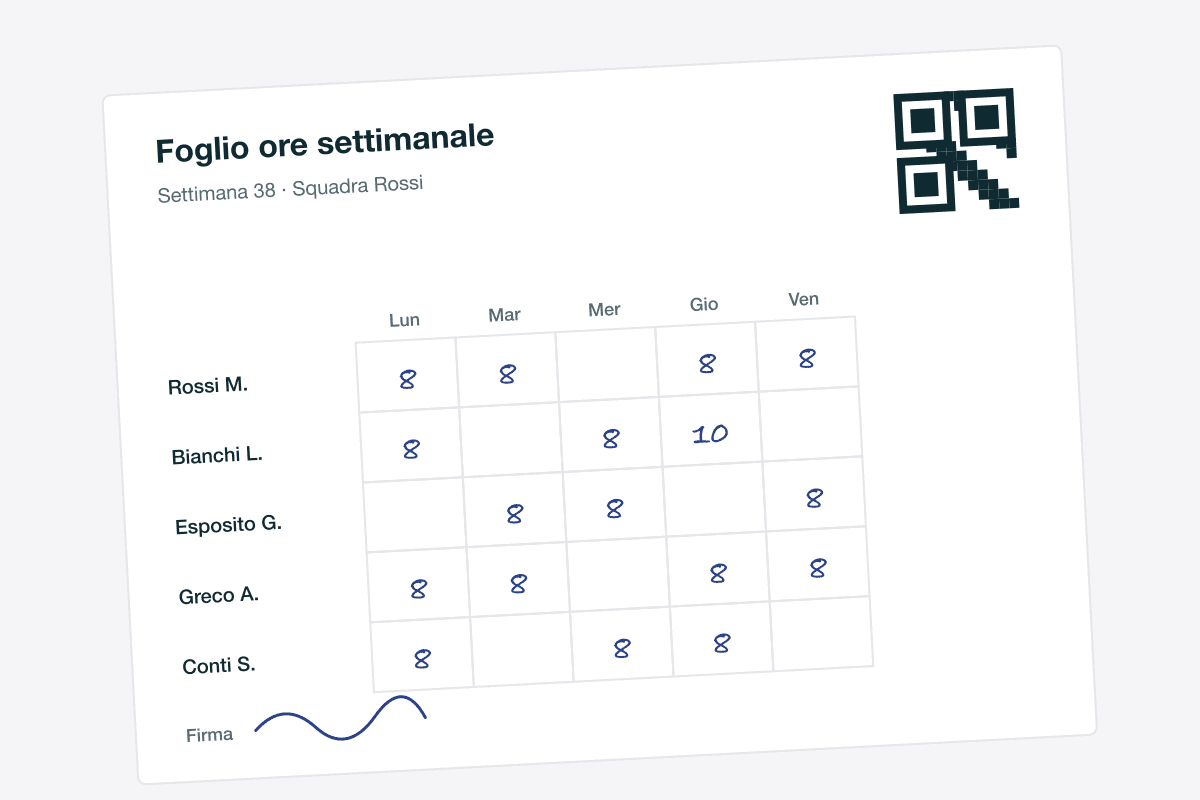
Signed sheet, read by AI
The crew writes by pen, you photograph the sheet. AI reads names and hours and enters them for you.
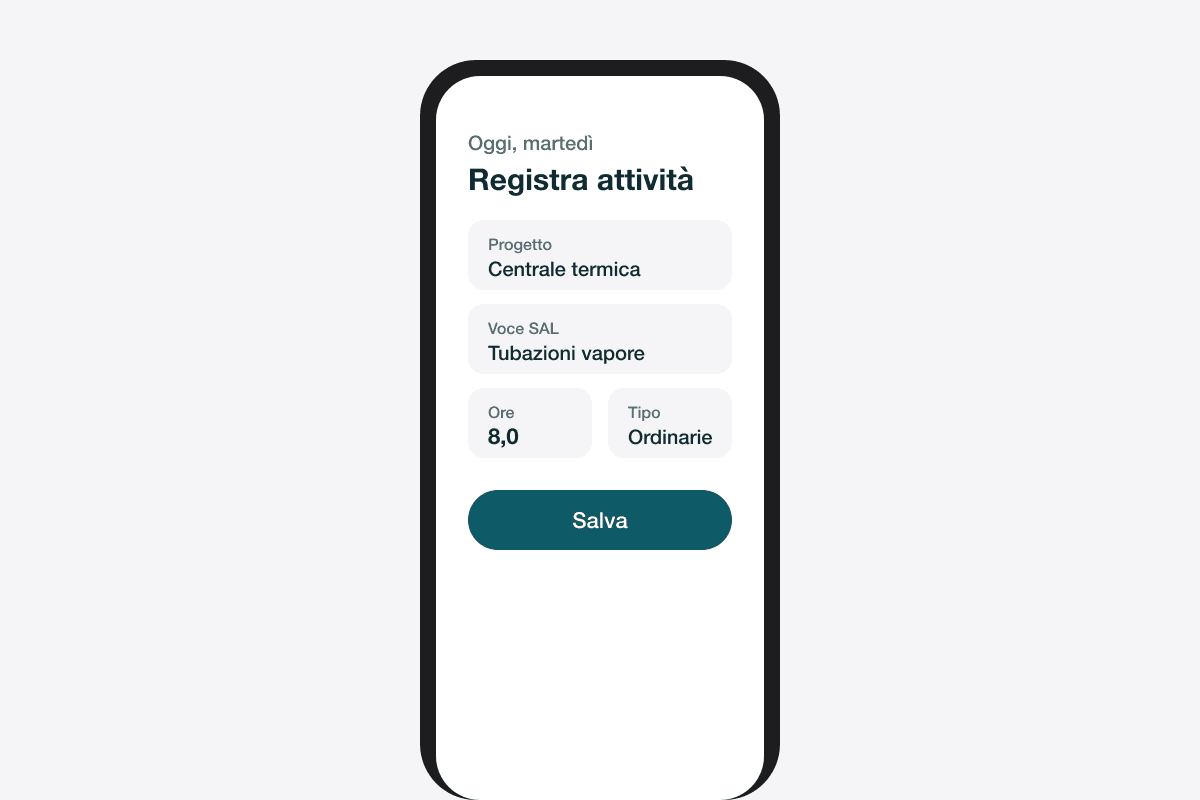
In the app
Activities, hours and photos from the phone, on the report item or the task.
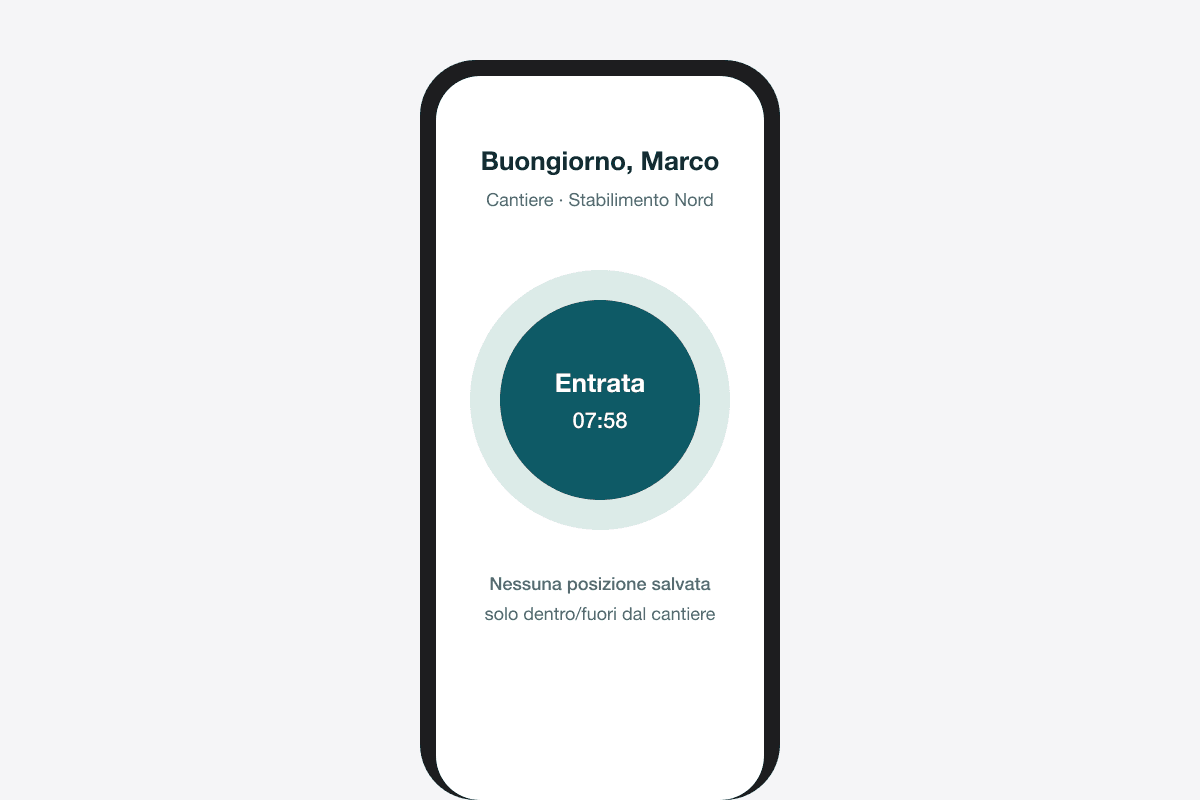
One-tap clock-in
Clock in and out of the site. No location stored, consent required.
Double-counted hours do not get through
Four channels mean the same hours can come in twice: a clock-in and a signed sheet for the same day. CantiVera recognises the overlap and does not count it. Costs, progress and invoices stay true.
See your job sites as they really are.
A thirty-minute demo on one of your real jobs: we upload the report, connect the hours and look at the margin together.
No commitment. A person replies within one working day.