Naval refitting
Naval refitting, with progress the owner can verify
CantiVera was born in shipyards. On board, windows are tight and the weekly report to the owner is the rule: with hours attached to the report items, that report is no longer an estimate.
Where the margin leaks
Rigid work windows
A delay found late costs days of lay time, not hours.
Paper on board
Phones stay out of the engine room: hours arrive on sheets and photos.
Owner reports from memory
Weekly progress is reconstructed, not measured.
How CantiVera helps
- 1
QR paper timesheet
The crew signs by pen, you take a photo: no app needed on board.
- 2
Report items from the PDF
The work specification becomes structure in minutes.
- 3
Owner report, generated
Every week, measured progress and site photos in a PDF ready to send.
- 4
Risks before the deadline
The slipping item surfaces while there is still time to recover.
Most used features in refitting
Progress reports read by AI
Upload the progress report PDF and AI turns it into work items with estimated hours.
Paper timesheet with QR
Print the week’s sheet, the crew fills it in by pen, you take a photo: the hours come in by themselves.
Progress photos
The crew’s photos land on the right item, with date, time and author. See the site without going there.
Client updates
A regular summary, weekly or whenever needed, with progress and photos. The client knows where you are without calling you.
Progress report generated for the client
From measured progress, CantiVera prepares the report with items, percentages and photos. You check and sign.
Deviations and risks
One screen that tells you which jobs are slipping, and why.
The data chain
Enter it once. It flows all the way to the margin.
Each link feeds the next without retyping anything: from the quote to the analysis, the same data runs through the whole job.
- 1
Quote
The estimate with hours and costs.
- 2
Job
The quote becomes work, with client and crew.
- 3
Report or plan
Items from the PDF, or phases and tasks.
- 4
Hours
From the app, a clock-in or a paper sheet.
- 5
Costs
Hours at full cost, plus subcontracts and rentals.
- 6
Analysis
Deviations, risks, revenue and margin.
Data is entered once and flows all the way to the margin. No spreadsheet in between.
Without changing the job site
Everyone logs hours the way they prefer.
By voice, in the app, with one tap or by pen on a sheet. The hours all land in the same place, on the right item.
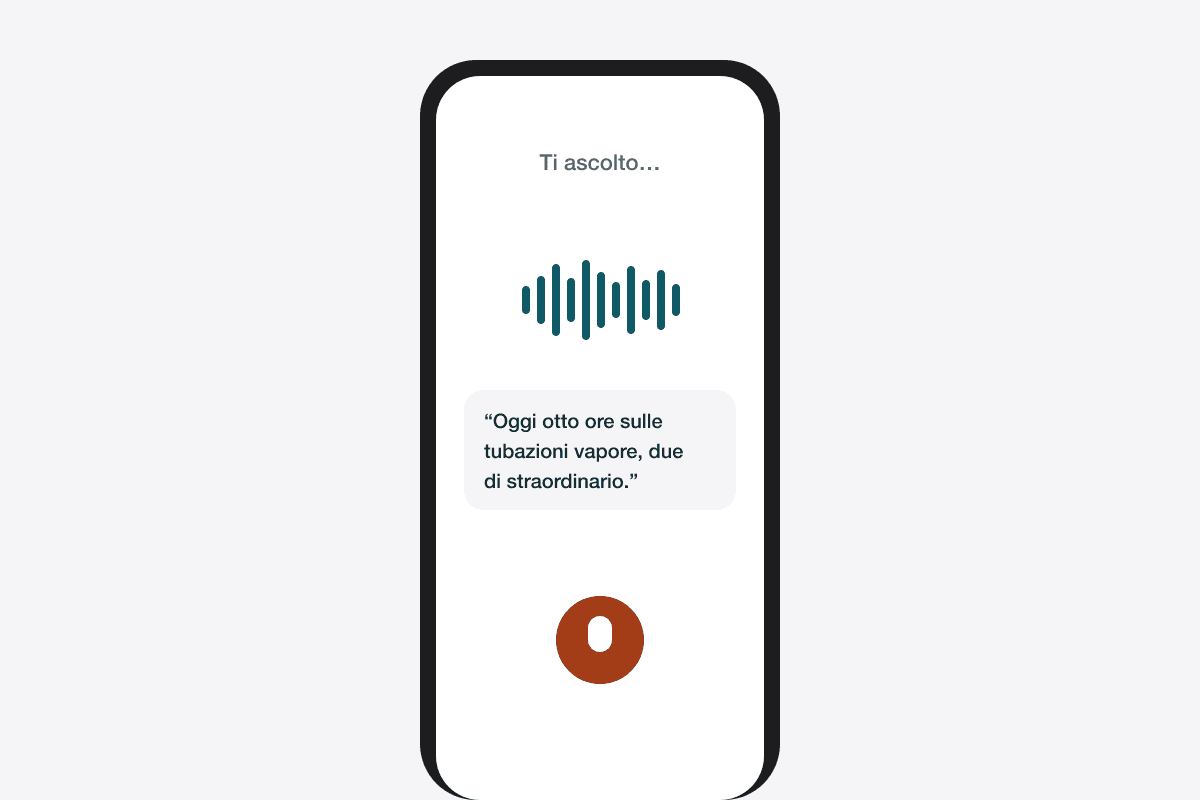
By voice
Say what you did and the voice agent fills in the activity. You confirm.
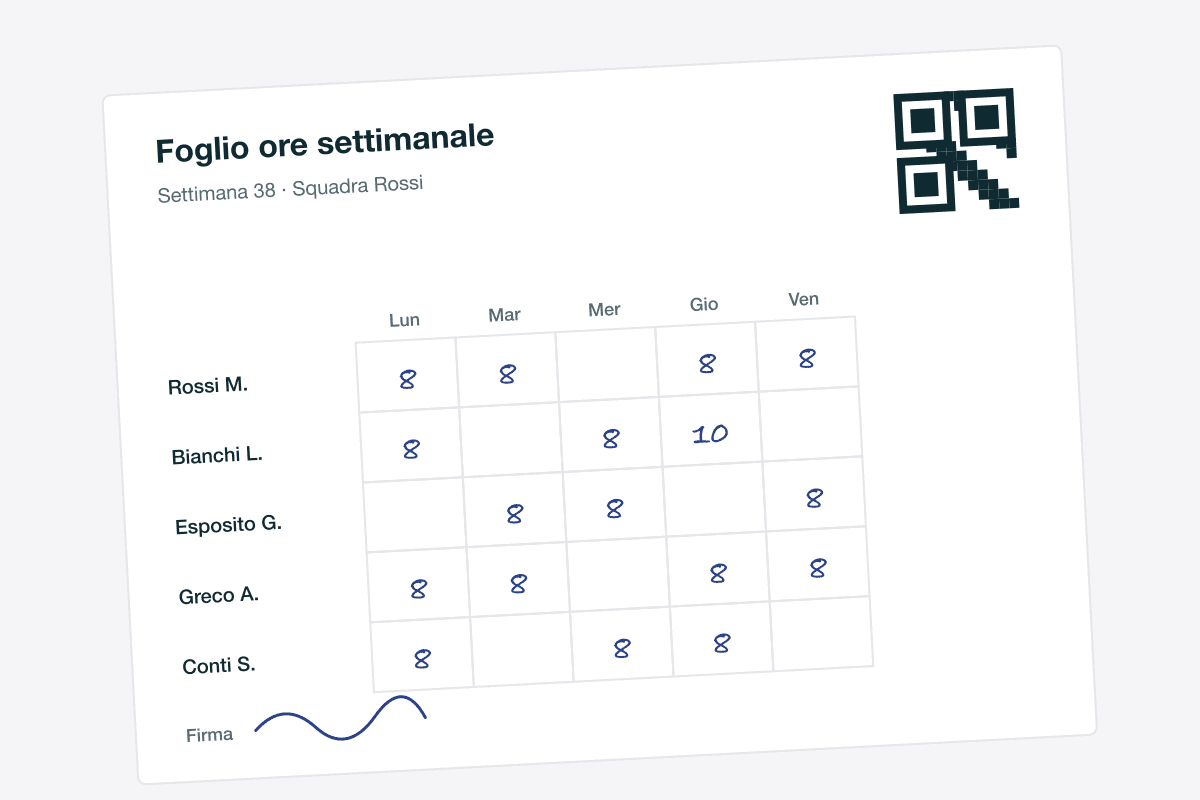
Signed sheet, read by AI
The crew writes by pen, you photograph the sheet. AI reads names and hours and enters them for you.
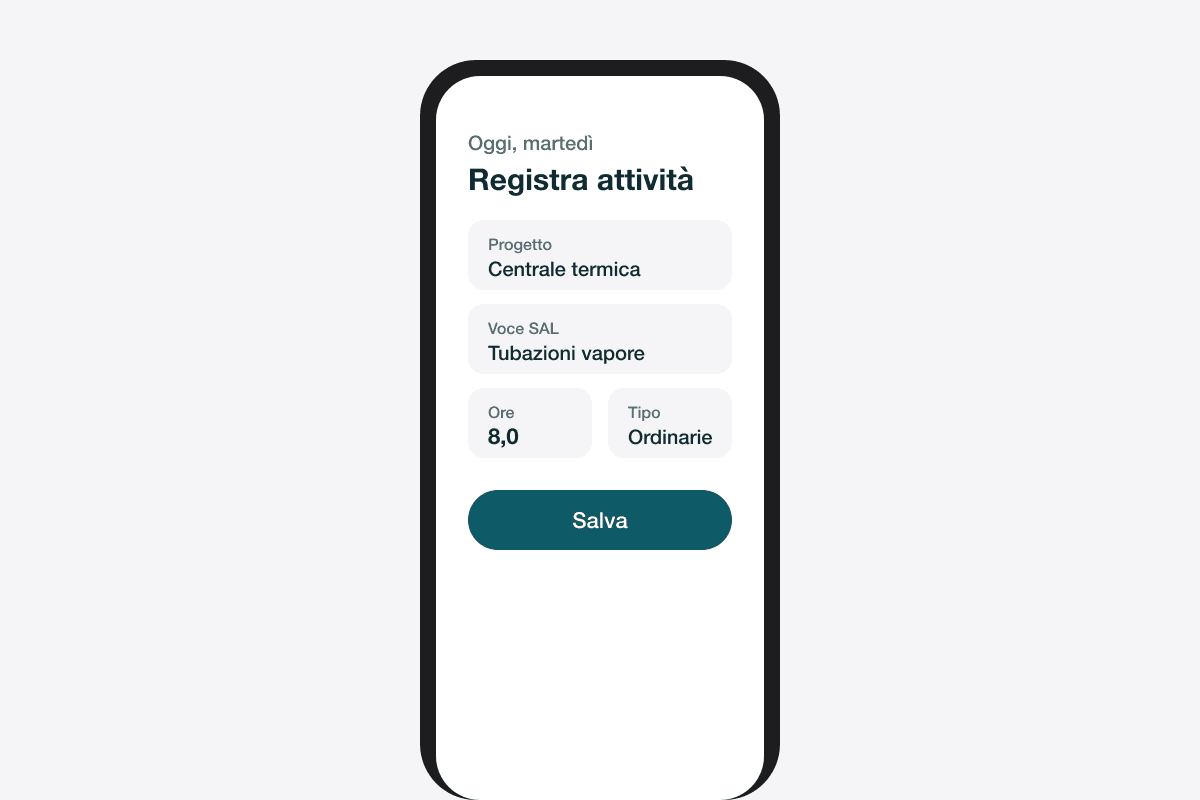
In the app
Activities, hours and photos from the phone, on the report item or the task.
One-tap clock-in
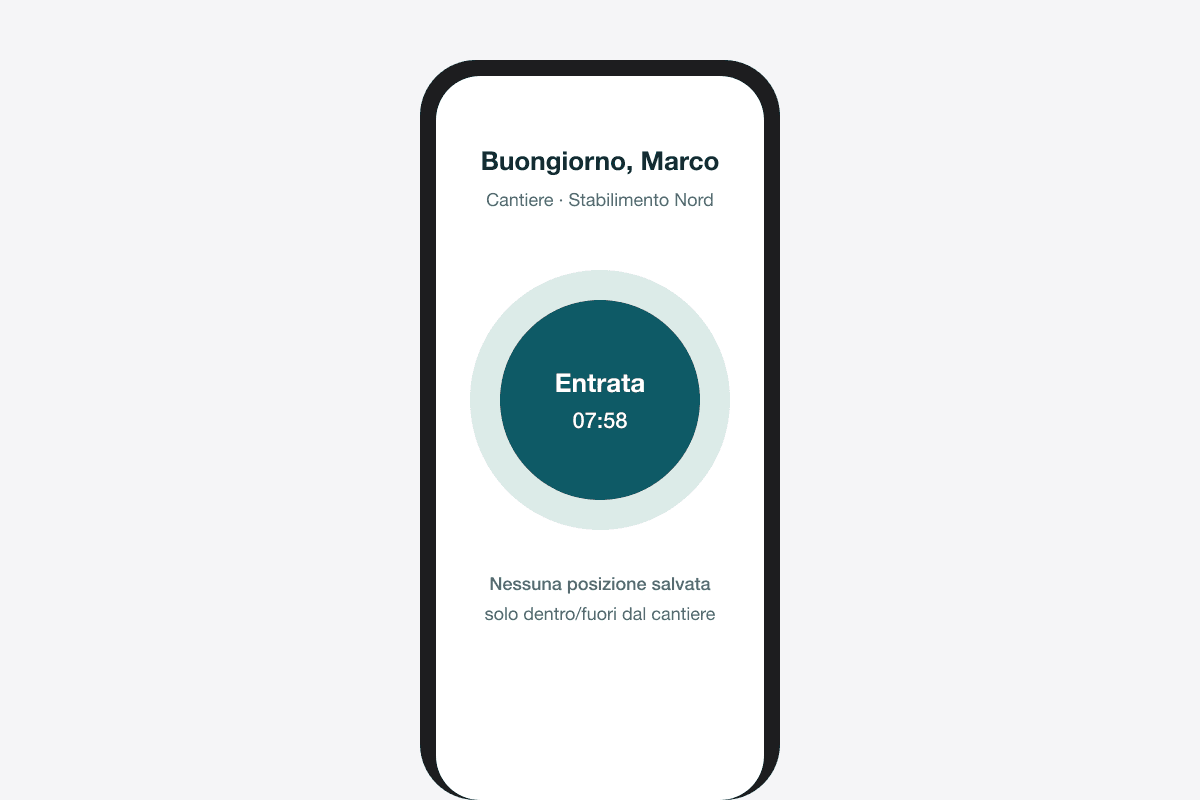
Clock in and out of the site. No location stored, consent required.
Double-counted hours do not get through
Four channels mean the same hours can come in twice: a clock-in and a signed sheet for the same day. CantiVera recognises the overlap and does not count it. Costs, progress and invoices stay true.
See your job sites as they really are.
A thirty-minute demo on one of your real jobs: we upload the report, connect the hours and look at the margin together.
No commitment. A person replies within one working day.